The science of longevity: promise, progress, and the gap between
Science Victoria Edition






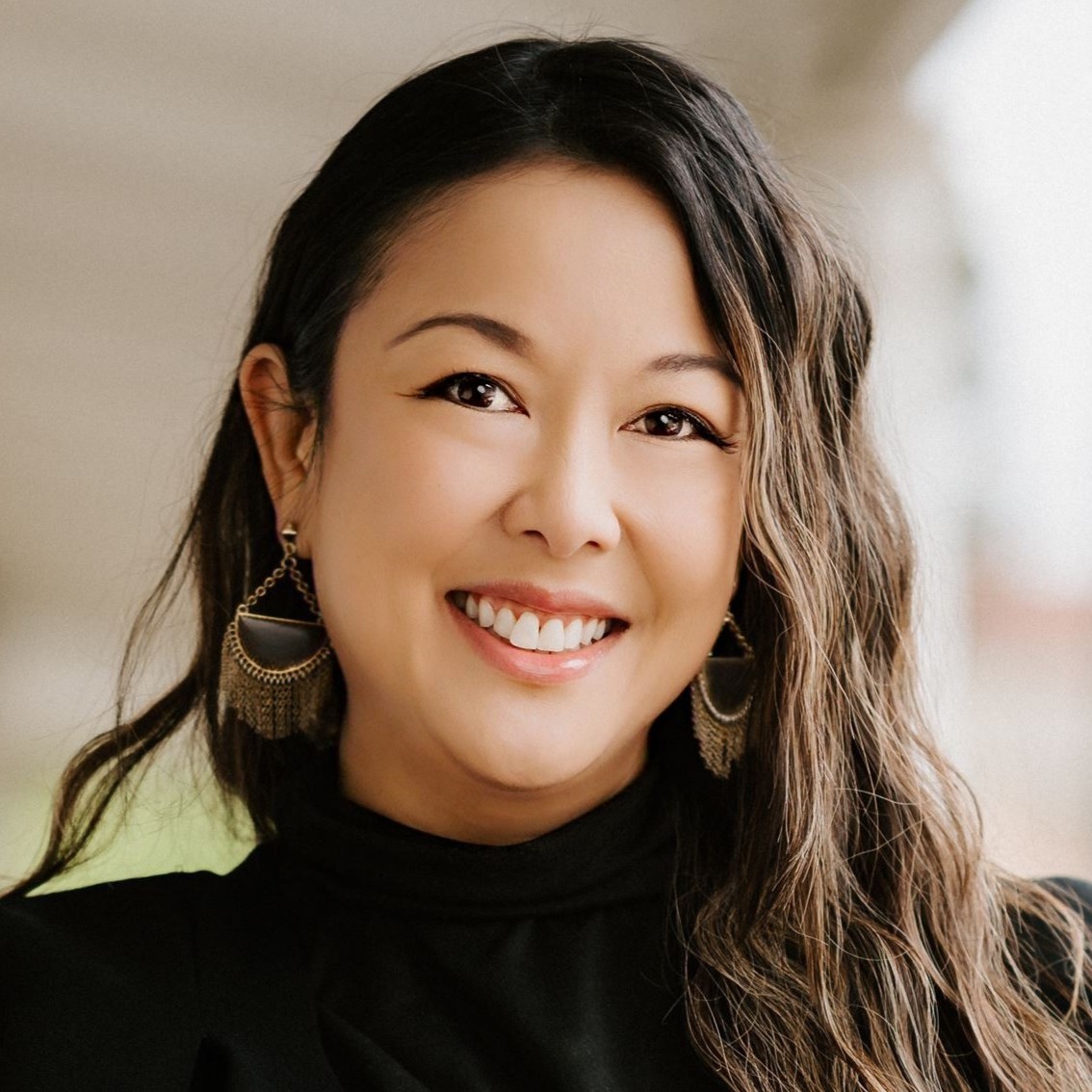
RSV Governing Council member and Director of Research (Social Gerontology), National Ageing Research Institute
Longevity is not the same as lifespan.
Lifespan is about survival and is measured in years; but longevity, in addition, should reflect how those years are lived.
We have become incredibly good at adding years to life. We now are living longer than any generation before us. In Australia and many other countries, advances in public health, medicine, education, and living conditions have transformed a longer life from an exception into an expectation.
But the extra years alone are not the achievement we should be measuring. The more important question is what those added years are like.
We are adding years to life, but are we adding life to those years?
As life expectancy rises, anxiety about ageing seems to be growing. We are bombarded by promises of enhancement and endless advice on how to extend life, from supplements and devices to personalised nutrition, stem cell therapies, and cold plunges. Much of this is marketed as empowerment, but it also reflects a deep cultural discomfort with ageing itself.
At the same time, some of the science emerging is genuinely exciting: advances in precision medicine, biomarkers, artificial intelligence, regenerative therapies, and early detection may improve later-life health in important ways. The challenge is to distinguish real promise from hype.
That challenge is intensified by a growing commercialisation of ageing. Anti-ageing has become a lucrative market, selling not simply better health but the promise of delaying, disguising, or even defeating ageing by means of diagnostics, personalised treatments, and high-cost longevity technologies. Some of these developments may yet prove useful, but the marketing often runs ahead of the evidence.
When ageing is framed as a problem to be solved through consumption, the result is often unrealistic expectations and widening inequality. “Healthy ageing” is presented as something most available to those who can afford it. We also risk treating the ordinary signs of ageing – greying hair, an aching joint, or a memory lapse – as personal failure, rather than part of ordinary life. In doing so, we lose sight of a more grounded goal: using research evidence to help people live better for longer.
Meanwhile, many older people face more immediate challenges: loneliness, ageism, poverty, housing insecurity, limited access to care and services, and preventable chronic disease.
The contrast is stark. In some, largely privileged, circles, longevity is treated as a premium optimisation project. For many older adults, however, the pressing questions are whether they can access good care, maintain meaningful connections, and sustain a sense of purpose. For them, it is about if they can find affordable housing, see a GP or specialist without months of waiting, and stay connected to the people and places that give their life meaning.
There is also growing recognition that ageing is not only a result of biology. Longevity is shaped by education, income, housing, discrimination, geography, culture, and social policy just as much as by genetics or personal choices. A person cannot simply “wellness” their way out of structural disadvantage. Green juices and step counts do not cancel out insecure housing or precarious work. These inequalities will become even more significant as Australia ages and more people live longer with complex health and support needs.
These tensions reflect the current reality of ageing. From my perspective, working at the intersection of ageing research, policy, and practice, the picture is both promising and challenging. We already know a great deal about supporting healthy ageing, including physical activity, good nutrition, social connection, mental wellbeing, sleep, cognitive stimulation, cardiovascular risk management, and supportive environments.
These measures may not seem especially novel or exciting, but the evidence for them is stronger than for more fashionable trends. In fact, the most effective strategies are often also the simplest: strong communities, walkable neighbourhoods, green space, meaningful relationships, less social isolation, and accessible health care. At the population level, these matter more than expensive anti-ageing interventions.
Reasons for Optimism
We know what works. Our problem is that we still struggle to make what works happen consistently and fairly in everyday life and at scale within the systems we live in.
Longevity also has an important economic dimension. It is too narrow a view to frame longer lives as a fiscal burden. If societies invest properly in ageing populations and longevity-ready workforces, longer lives can support productivity, innovation, mentoring, and interaction between different generations. The challenge is not simply that populations are ageing; it is that many of our institutions are designed around shorter lives. Workplaces, career pathways, retirement, and public policy all need to adapt.
And yet there is genuine reason for optimism. We are reconsidering what older age can look like. The traditional model of education early in life, work in midlife (in one career or field), and dependency in later life already feels outdated. Longer lives are reshaping learning, caregiving, volunteering, employment, and intergenerational relationships in ways we are only starting to understand.
A change in perspective
One of the most encouraging shifts in ageing research and practice is the move away from viewing older people primarily through the lens of decline. This perspective has been especially dominant in Western contexts, but it is certainly not universal. In many other cultures, ageing has long been associated with wisdom, status, contribution, and continuity between generations. Older adults are increasingly recognised as active, socially engaged, technologically confident, politically and socially influential, and deeply important to families and communities. We are also paying more attention to what makes later life meaningful: purpose, belonging, autonomy, connection, and quality of life. Longevity without wellbeing is not a compelling achievement.
The next frontier
The next frontier in longevity is not only biological or technological; it is practical. It is about turning the evidence we have accumulated into everyday practice, designing systems that support wellbeing by default rather than by exception, and ensuring that the gains of longer life are shared fairly across communities, cultures, and contexts. The real question is not simply whether people will live longer, but what kind of societies we will build around longer lives.
The future of ageing will depend less on miracle interventions and more on how well we align science, policy, health care, aged care, community design, and culture to support people across their lifespan. A successful, ageing society is not one in which a small, privileged group lives exceptionally long lives using frontier interventions. It is one in which the population can expect to age with rights, dignity, meaning, equity, and the opportunity to keep contributing to the world around them.
Longevity is one of our greatest achievements. The challenge now is to make it one of our greatest successes.
Want to stay up to date and get articles like this and the latest Science Victoria digital magazine delivered straight to your inbox?
Subscribe for free now at subscribe.rsv.org.au
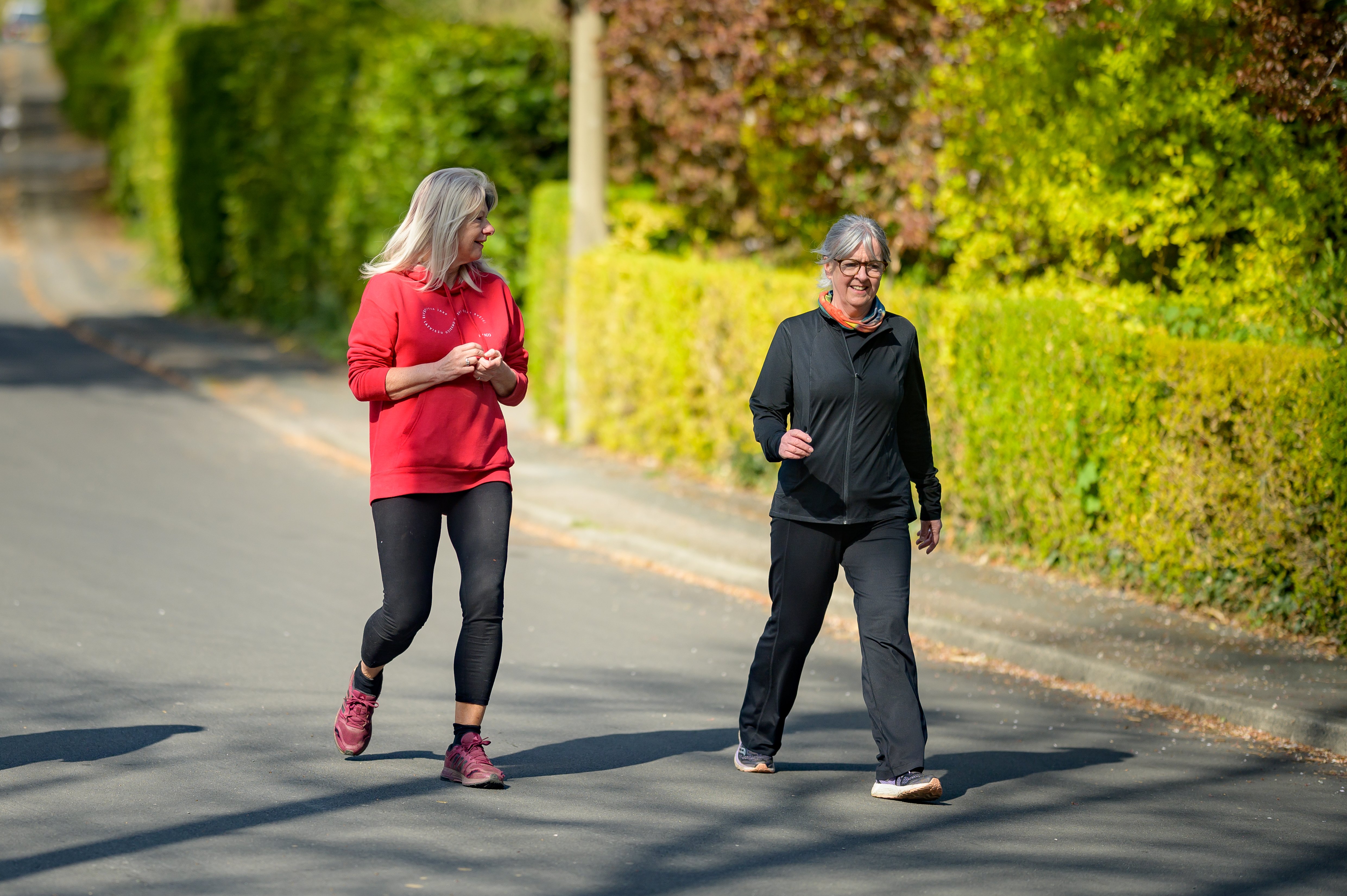
[1] Banner image from Shutterstock
Other articles of interest






Discover how you can join the society
Join The Royal Society of Victoria. From expert panels to unique events, we're your go-to for scientific engagement. Let's create something amazing.