The energy transition must work for all
Science Victoria Edition



.jpg)
Former CEO of Farmers for Climate Action
Across Victoria, the energy system that powered the state for generations is changing faster than at any time in its history. Coal-fired power stations are closing, renewable energy projects are expanding across regional landscapes, and households and businesses are electrifying.
This transformation is both necessary and inevitable. Climate change is already affecting Victorian communities bringing more frequent heatwaves, bushfires, floods and drought. For agriculture, which depends on stable seasons and reliable water, these changes are particularly significant.
But the energy transition should not only be about replacing one form of electricity generation with another. It should also ensure the benefits of the new energy system are shared fairly across society.
From my experience working with farmers, regional communities and policymakers across Australia’s energy and agriculture sectors, one thing is clear: most people support the transition to renewable energy. But they want a transition that is practical, fair, and designed so that communities can participate in the benefits rather than simply host the infrastructure.
A quiet majority supports renewable energy
Public debates about renewable energy often focus on conflict. Wind farms, transmission lines and solar projects can attract strong opposition from some groups, and these voices tend to dominate media coverage.
Yet research consistently shows a different picture.
Polling conducted in renewable energy zones across Australia for Farmers for Climate Action shows that about 70% of rural Australians support renewable energy projects, when they are developed responsibly and communities share in the benefits[1].
This reflects what many regional leaders describe as a “quiet majority” - people who support renewable energy in principle, but want it delivered on equitable terms.
Farmers themselves are increasingly part of this majority. Surveys of more than 600 farmers across Australia show that 57% identify climate change as the greatest threat to Australian agriculture, while 71% have already invested in emissions-reduction measures on their farms[2].
Importantly, nearly 80% of farmers support upgrades to electricity infrastructure so that regional communities can benefit more fully from renewable energy and electrification[3].
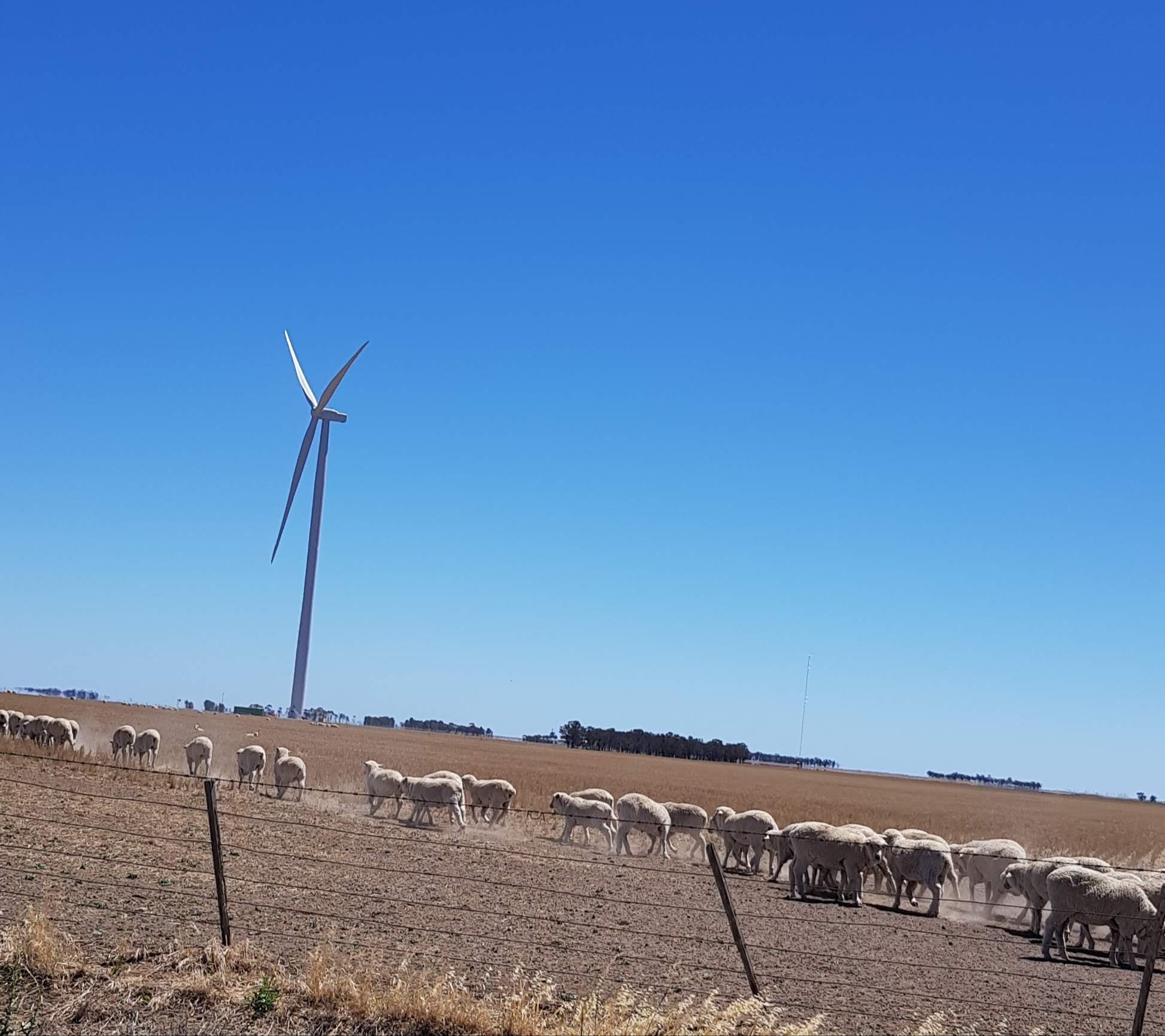
For many farmers, renewable energy is not just about climate policy, it is also about practical economics - reducing power bills, diversifying farm income, and creating new regional industries (see Farming the transition, Page 20).
The rapid shift to clean energy
Australia already has one of the highest rates of rooftop solar adoption in the world. More than 3.6 million Australian homes now have solar panels, including over 800,000 in Victoria[4].
On sunny days, rooftop solar can supply more than 30% of electricity demand in the National Electricity Market[5].
Victoria has set ambitious targets to accelerate this transition, aiming for 95% renewable electricity generation by 2035 and net-zero emissions by 2045[6].
Large wind and solar projects are expanding across regional areas such as Gippsland, the Wimmera and western Victoria. These projects are helping replace ageing coal-fired power stations like Yallourn, which is scheduled to close in 2028.
Research from the CSIRO’s GenCost report consistently shows that wind and solar are now the lowest-cost forms of new electricity generation in Australia[7].
However, the benefits of this transformation are not yet reaching everyone equally.
Uneven benefits
Households that install rooftop solar typically save between $900 and $1500 per year on electricity bills, depending on system size and energy use[8].
But the households most likely to install solar tend to be homeowners with the financial capacity to invest upfront.
Renters, apartment residents and lower-income households often face barriers. They may not control the roof space where solar panels could be installed, or they may not have access to finance for the initial investment.
Lower-income households already spend a higher proportion of their income on energy than wealthier households[9].
This means the people who would benefit most from cheaper renewable energy are often the least able to access it.
Want to stay up to date and get articles like this and the latest Science Victoria digital magazine delivered straight to your inbox?
Subscribe for free now at subscribe.rsv.org.au
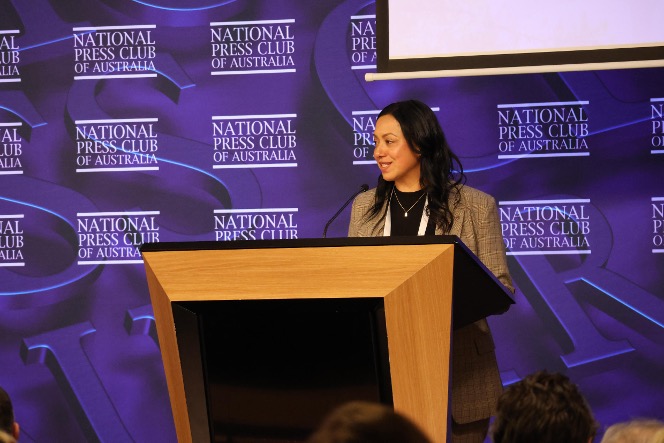
Natalie Collard is an Australian leader in climate, energy and agricultural policy. She recently served as CEO of Farmers for Climate Action, a national organisation representing more than 8500 farmers advocating practical climate solutions, and also as Chair of Women in Renewables.
REFERENCES
[1] www.farmersforclimateaction.org.au
[2] Ibid.
[3] Ibid.
[4] Clean Energy Council (2024) Rooftop Solar and Storage Report 2024, Clean Energy Council, Melbourne. https://cleanenergycouncil.org.au/
[5] Australian Energy Market Operator (2024) Quarterly Energy Dynamics Q1 2024, AEMO, Melbourne. https://aemo.com.au/
[6] https://www.energy.vic.gov.au/renewable-energy/victorian-renewable-energy-and-storage-targets
[7] https://www.csiro.au/en/research/technology-space/energy/Electricity-transition/GenCost
[8] Australian Energy Regulator (2024) State of the Energy Market Report
Other articles of interest






Discover how you can join the society
Join The Royal Society of Victoria. From expert panels to unique events, we're your go-to for scientific engagement. Let's create something amazing.