WIFM not NIMBY - Hastening the solar revolution
Science Victoria Edition





.jpg)

Director, Victorian Cleantech Solutions
The invention, development and commercialisation of the capacity to generate solar electricity on a household and industrial scale must go down as the leading area of innovation in the past century. It is now creating a revolution in the electricity sector, with further economic transformation possible.
Initially, the solar revolution was the domain of dedicated, cashed up and environmentally conscious households but, thanks to research at the University of New South Wales and to Chinese manufacturing, solar panels are now accessible to all but renters and economically disadvantaged households.
Solar power has disrupted the energy market because it has decentralised, decarbonised and democratised energy. Whereas, not long ago, the source of nearly all our electricity was centralised, carbon emitting, privately-owned coal-fired power stations, consumers now have a choice as to energy source and where their power comes from.
Energy independence for a large swathe of the population is in sight. Consumers will be able to generate, store and use electricity and power their own EVs. Appropriately sized generating systems with batteries can provide free energy to the owner at the expense of retailers and fossil-fuel companies.
This revolution has been met with skepticism, resistance and misinformation, but statistics confirm that rooftop solar and batteries are penetrating the market at a steady rate, and home batteries will ultimately become an automatic pairing with domestic solar panels.
The Minister for Climate Change and Energy, Chris Bowen has reported that Australia took 10 years to put in its first six gigawatt-hours of household storage, and eight months to put in its second six gigawatt-hours.
Globally, in 2004, it took a year to build a gigawatt of solar generation. In 2010, it took a month. In 2016, it took a week. In 2023, it took a day and in 2024, it took half a day. Solar is now the single biggest investment into the global electric grid annually, in excess of half a trillion dollars. And we’re just getting started.
Energy independence for the nation is also a distinct possibility, obviating the expenditure of $15 billion annually by Australians.
Energy is such a fundamental input into civilization that it carries enormous transformative opportunities. From households to industrial estates to small towns and regions, solar can unleash energy freedom.
At a household level government subsidies have been an important contributor to the increased uptake and confidence in solar power. They have quickened what would have occurred as consumers became more energy literate.
The massive growth in household solar and batteries is evidence of the maturity of the technology. Even the most ardent opponents of renewable energy acknowledge the role of domestic investment. They will never be able to stop the home electrification juggernaut.
Virtual Power Plans, micro-grids, vehicle-to-home charging, distributed energy markets and ultimate consumer control will become much more prevalent over the next decade.
The introduction of appropriate regulations enabling, for example, wide-scale vehicle-to-home applications, together with the closing down of fossil fuel generators and improved messaging can quicken the revolution.
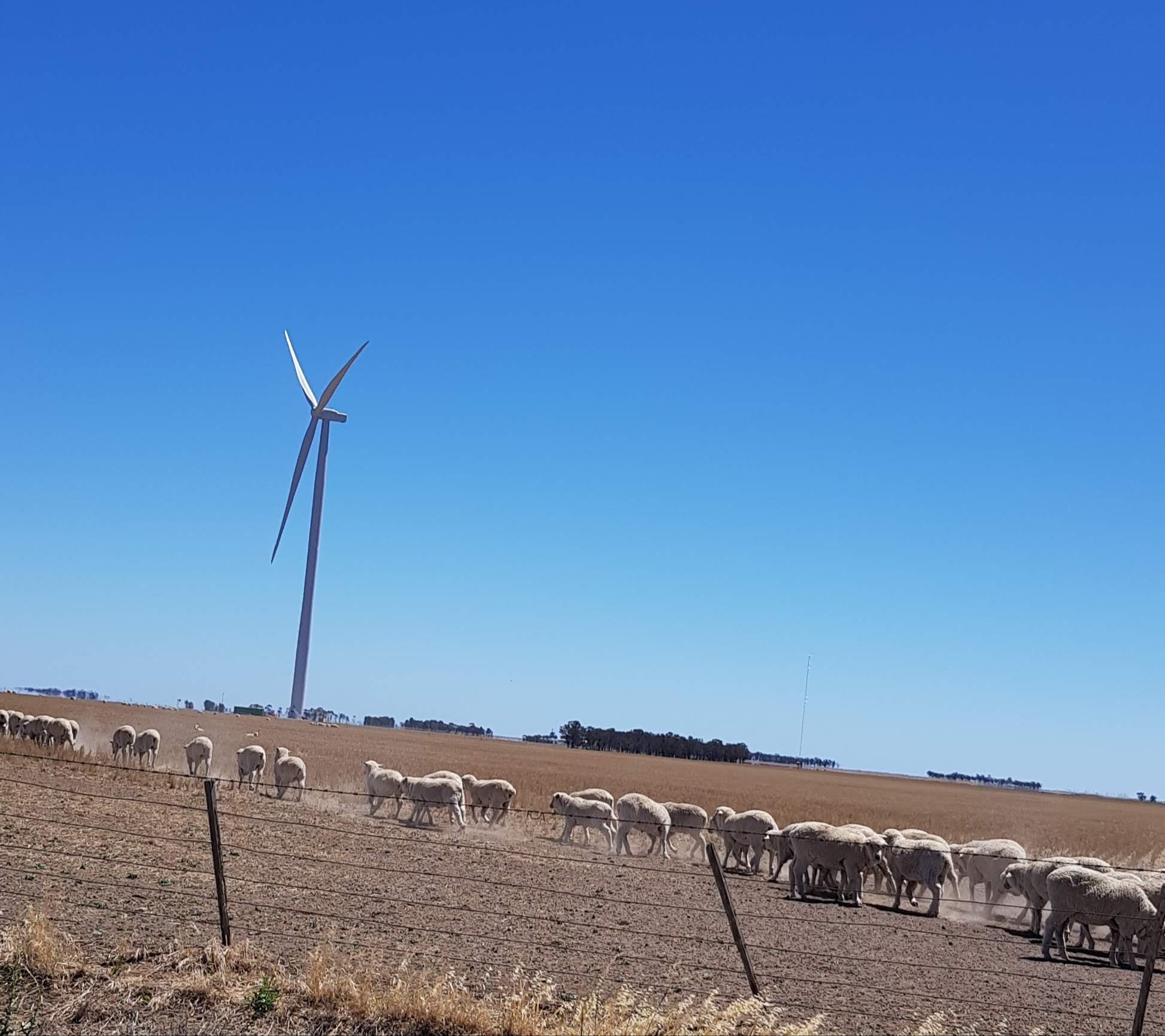
Governments through their expenditure and policies have signaled support for renewables, and investors have largely responded. Some parts of the community, however, remain resistant to large-scale solar and battery or local windfarm and transmission infrastructure.
Better messaging and more innovative compensation for host communities is sorely needed. Governments and developers and industry groups have failed to recognise the simplicity of the renewable solution. NIMBY (not in my backyard) has been confused with WIFM (what’s in it for me).
The reported objections to renewable energy in the form of solar farms, wind turbines, transmission towers and related infrastructure have now translated into concerns about radiation, bird strike, electromagnetic impacts on sleep and brain function, loss of prime agricultural land, and the need for further mining of the required materials, such as silica, copper, nickel, lithium, alumina, iron ore and an array of rare earths. While some concerns – the mining of minerals, for instance – are valid, most tend to be overstated and solutions generally can be found to mitigate impacts.
What is missing is a clear nexus between communities hosting the new energy infrastructure and energy cost relief. Property owners need to be compensated, and renewable energy zone communities need to share the benefits that ultimately flow across the country.
Access to cheap electricity answers the WIFM concerns. It builds support for renewable energy, secures local businesses, removes energy stress, creates economic decentralisation and diversification opportunities, hastens the electrification process and can diminish the climate wars.
Governments, developers and investors need to get on board. The revolution is happening, but not fast enough if we are to meet our targets, let alone heed the science.
Want to stay up to date and get articles like this and the latest Science Victoria digital magazine delivered straight to your inbox?
Subscribe for free now at subscribe.rsv.org.au
Peter Hansford has worked in food and agribusiness, and in cleantech and renewable energy; in the private, NGO, university and public sectors. He has held roles as a trade commissioner, industry advocate, energy director and cleantech manager and worked in Victoria, Asia, Canberra and Broome. His professional experience includes 2 years as Director of Energy at Deakin University and 16 years with the Victorian Government.
Other articles of interest








Discover how you can join the society
Join The Royal Society of Victoria. From expert panels to unique events, we're your go-to for scientific engagement. Let's create something amazing.