Seeds on the edge: How climate change is disrupting the future of Victoria's alpine plants
Science Victoria Edition



Communications and Media Coordinator, Royal Botanic Gardens Victoria
Across Victoria's alpine regions, climate change is beginning to alter the environmental signals plants have relied upon for tens of thousands of years, potentially disrupting one of the most critical moments in a plant's life cycle: the decision to germinate.
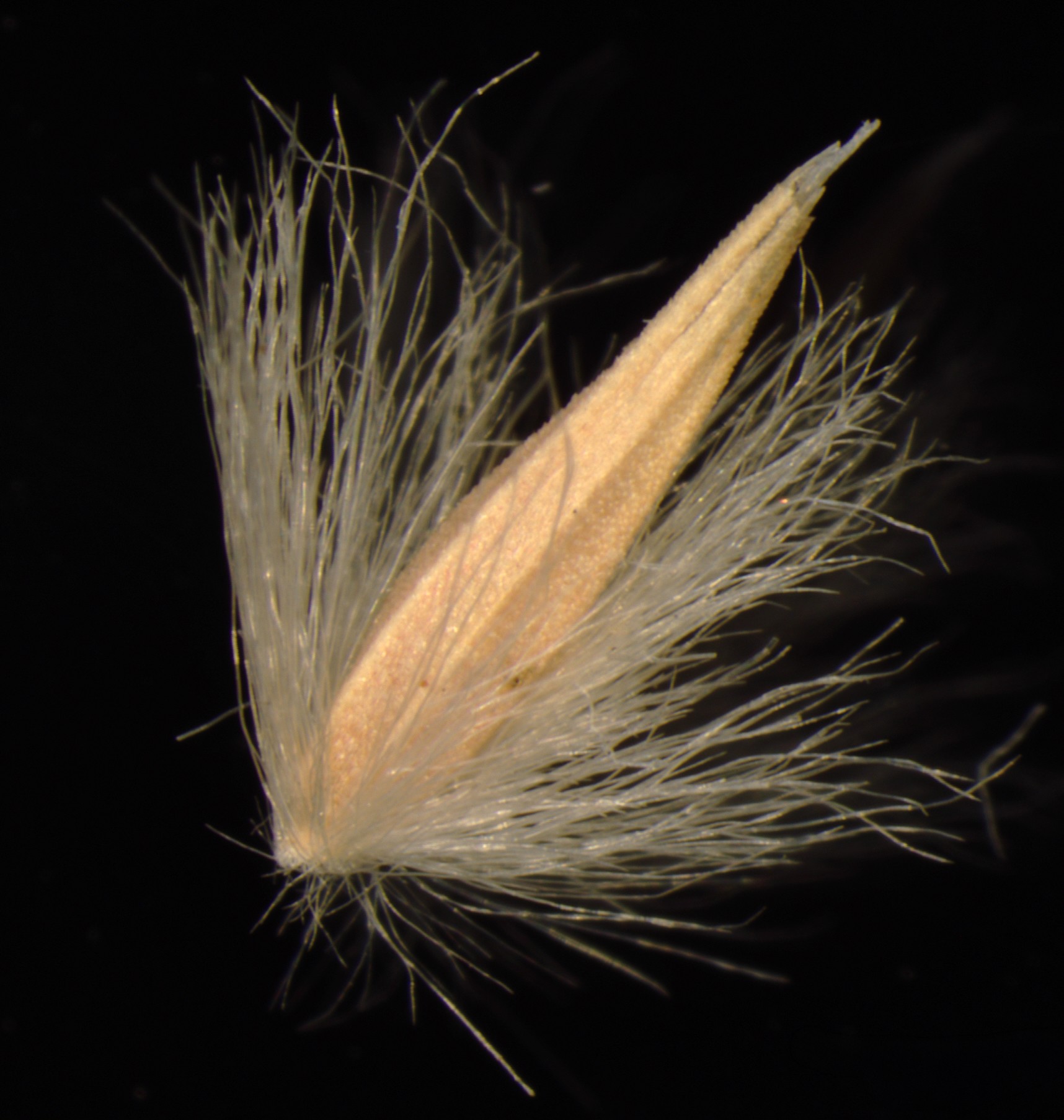
For an alpine seed, timing is everything. Germinate too early, and the emerging young seedling may be killed by frost or snow. Germinate too late, and it may miss the short growing season needed to establish itself before winter returns.
Over countless generations, plants have evolved strategies that help ensure germination occurs at precisely the right moment. One of the most important of them is seed dormancy, a biological mechanism that allows seeds to wait until environmental conditions are suitable before beginning to grow.
A new study led by researchers from Royal Botanic Gardens Victoria and Deakin University has revealed that many alpine plant species depend on highly specific temperature cues and seasonal signals to break dormancy and germinate successfully.
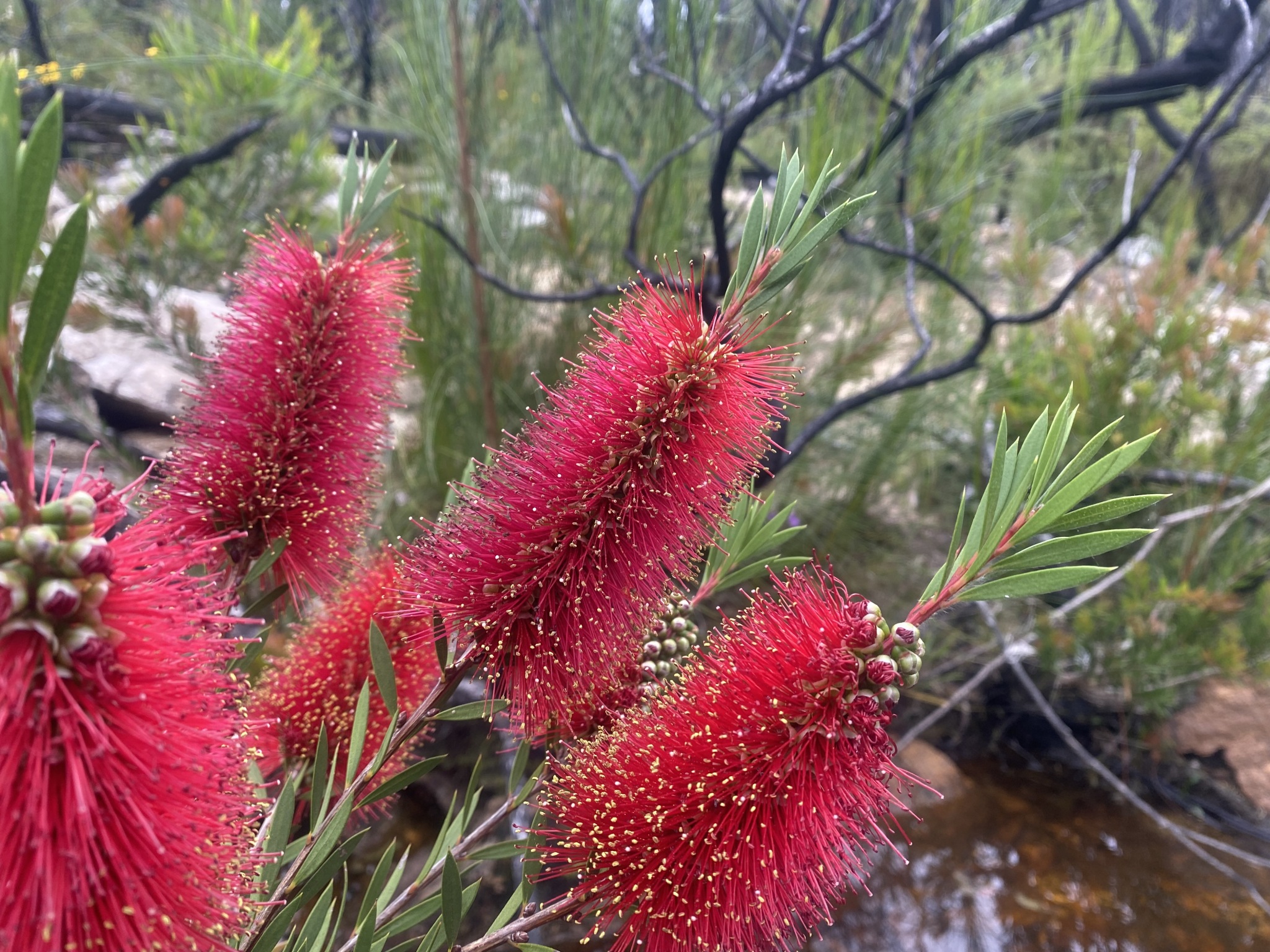
The team examined seeds from 21 Australian native plant species – snow gums, bottlebrushes, native daisies, alpine grasses – collected across a dramatic elevation gradient, from near sea level to alpine and subalpine environments. Their study found that elevation plays a major role in shaping how seeds behave.

Those from alpine and subalpine species were much more likely to remain dormant, typically requiring specific environmental triggers before they would germinate. Even when conditions were otherwise favourable, these species generally germinated best at relatively warm temperatures of between 20 and 30°C and performed poorly at cooler temperatures. The findings suggest these plants have evolved highly specialised germination strategies that prevent them from emerging during brief warm periods when snow or frost could still pose a serious threat.
By comparison, species from lower elevations appeared far more flexible. Many showed little or no dormancy and were capable of germinating across a broad range of temperatures, including cooler conditions. This flexibility may reflect the more variable environments in which these plants evolved, where successful germination is less dependent on narrowly defined seasonal conditions.
The distinction is important because climate change is rapidly altering the signals that alpine plants use to determine when to grow. Warmer temperatures and declining snow cover are changing seasonal patterns across southeastern Australia's high country. For plants that have evolved to rely on these environmental cues, even relatively small changes can have major consequences.

Understanding these differences is becoming increasingly important as the climate continues to change, says research scientist in seed ecology at Royal Botanic Gardens Victoria, Dr Megan Hirst, the lead author of the study.
"While some species show remarkable flexibility, many alpine plants are highly specialised. Understanding these differences is key to protecting them as the climate continues to change."
If warming temperatures alter the cues upon which seeds rely, certain species may begin germinating at the wrong time of year. Seeds could emerge before the risk of frost has passed, or before sufficient moisture is available to support their growth. Such mismatches between germination timing and favourable growing conditions could reduce seedling survival and place additional pressure on already vulnerable alpine ecosystems.
The study also found that not all plant groups respond to environmental conditions in the same way. Certain snow gums and alpine grass species showed strong patterns of dormancy linked to elevation. In contrast, bottlebrush species of the genus Callistemon showed little evidence of dormancy regardless of where they grew.
Native daisies told an even more complex story. Substantial differences were observed not only between species, but sometimes between populations of the same species. Local conditions such as moisture availability and microclimate appeared to influence how seeds responded, demonstrating the intricate relationship between plants and the environments in which they evolve.
Encouragingly, the researchers also found evidence that some species may have the capacity to adapt. In certain cases, offspring of plants grown in new environments exhibited changes in germination behaviour, suggesting that responses to changing conditions may be passed between generations. Whether this adaptive capacity will be sufficient to keep pace with the rate of climate change remains uncertain, but it offers an important avenue for future research.
The findings have practical implications beyond understanding how ecosystems function. Conservation managers increasingly need to predict which species are most vulnerable to climate change and determine the best strategies for protecting them. Understanding how seeds respond to temperature can help guide restoration projects, identifying where and when seeds are most likely to establish successfully as environmental conditions continue to shift.

The research also highlights the value of Victoria's conservation seed banking. Many of the seeds used in the study had been stored in the Victorian Conservation Seed Bank for more than a decade before being tested, and they were still able to germinate successfully. This demonstrates the critical role seed banks can play in safeguarding plant diversity for future conservation and restoration efforts.
As Victoria looks ahead to COP31 and broader discussions about adapting to a changing climate, the future of many plant species may depend on our ability to understand these often invisible ecological processes. While infrastructure, energy and emissions rightly dominate public debate, the health of natural ecosystems will also shape how successfully Victoria adapts to a warmer future.
Hidden within alpine soils, seeds are already responding to a changing climate. Their success or failure may ultimately influence the future of some of the State's most distinctive landscapes.
About Royal Botanic Gardens Victoria
Royal Botanic Gardens Victoria is one of the world’s leading botanic gardens and a centre of excellence for horticulture, science and engagement. Its mission is to safeguard plants for the wellbeing of people and the planet toward a vision where all life is sustained and enriched by plants.
It encompasses two diverse sites at Melbourne and Cranbourne, as well as the State Botanical Collection housed at the National Herbarium of Victoria. Royal Botanic Gardens Victoria is managed by the Royal Botanic Gardens Board Victoria, which is responsible to the Victorian Minister for the Environment.
If you'd like to learn more about how Royal Botanic Gardens Victoria is mitigating the effects of climate change on plants, join a ClimateWatch Walk by booking at www.rbg.vic.gov.au or request a professional level private walk with an expert by emailing communications@rbg.vic.gov.au.
Reference
Hirst, M., et al. (2026). To grow or not to grow? Questioning seed dormancy and thermal germination responses along elevational gradients in four plant taxa. Seed Science Research 36 (1): 21-30. https://doi.org/10.1017/S096025852610018X
Other articles of interest





Discover how you can join the society
Join The Royal Society of Victoria. From expert panels to unique events, we're your go-to for scientific engagement. Let's create something amazing.