Synchrotron X-rays are showing polymers in new light
Science Victoria Edition
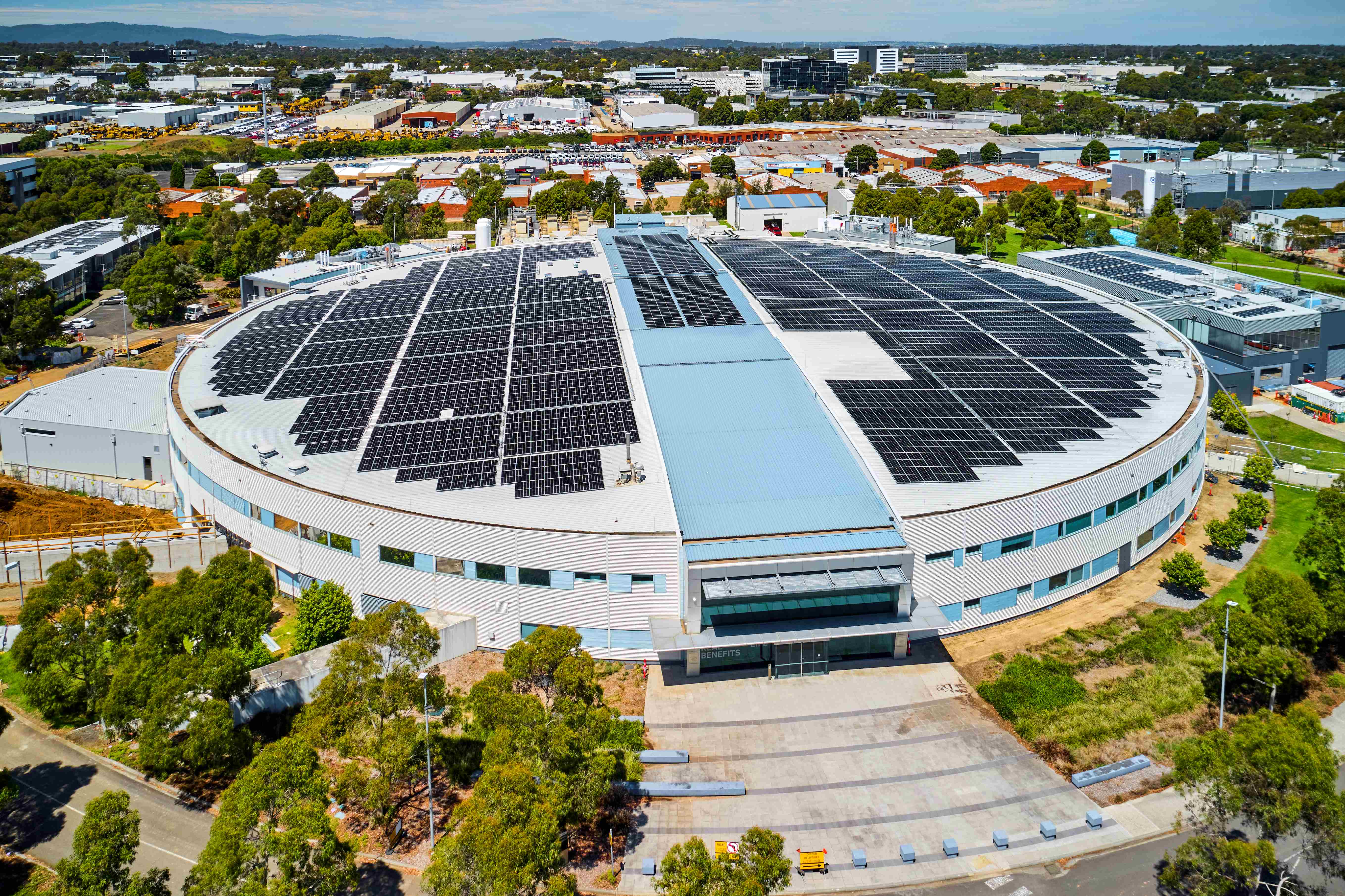






Beamline scientists, Australian Synchrotron, Clayton
Most of us encounter polymers every day without giving them a second thought – in packaging, textiles, medical devices, electronics, paints and countless other products that shape modern life. All plastics are polymers, long chains of a single molecule (or monomer) repeated.
They are surprisingly complex materials. A plastic film, for example, appears smooth and uniform to the naked eye, but internally it contains an intricate arrangement of molecular chains whose organisation determines whether the material is flexible or brittle; conductive or insulating; durable or short-lived.
To produce better materials, scientists must first understand how molecules arrange themselves and how those arrangements influence performance. But deternining the hidden structure in polymers is one of the great challenges of modern materials science.
Because the Australian Synchrotron generates such extraordinarily bright and powerful beams of X-rays, it can be used by researchers to examine materials at scales far beyond the reach of conventional techniques.
Rather than simply looking at the surface of a material, synchrotron techniques can reveal how atoms and molecules are organised deep within. By analysing how X-rays scatter from a sample, scientists can build a picture of its internal structure and observe how that structure changes during manufacturing, heating, cooling or use. These methods are particularly well suited to studies of polymers, where microscopic structure often determines properties.
Analysing flexible crystals
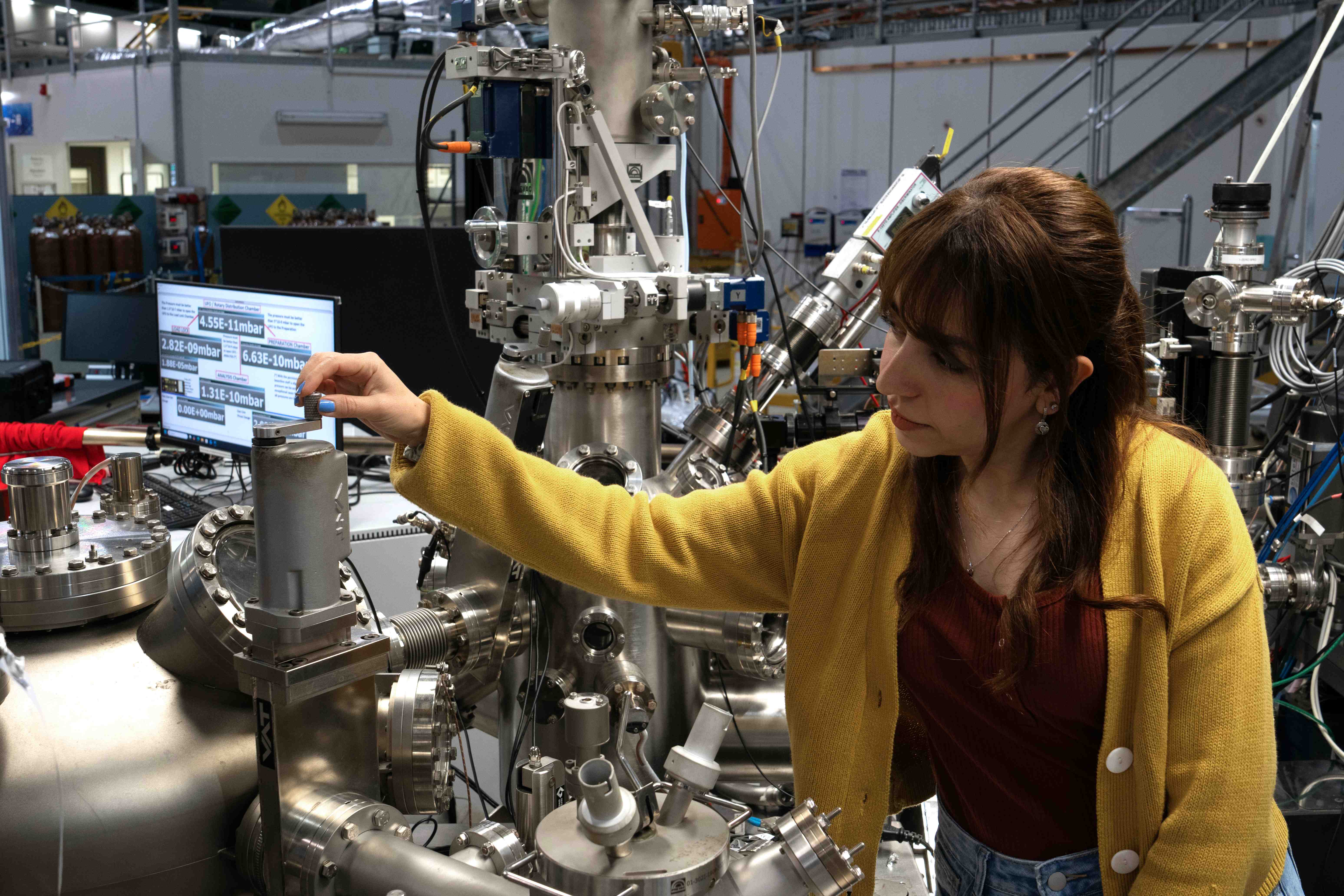
Scientists used the Microfocus X-ray Crystallography (MX2) beamline at the Synchrotron to analyse a new type of crystal that is flexible. These flexible crystals can be repeatedly bent and stretched and show no signs of breaking or cracking. By mapping such a pliable crystal as it bends, the researchers gained insights into how the atoms inside the material moved under stress. They found that the molecules inside can twist and tilt in relation to one another and thereby store energy. This energy is released when the stressor is removed. From this knowledge, new components for electronics can be designed and improved.
Next generation solar cells
The pace of technological development is now so fast, that sometimes it is hard to decide when to buy a new phone or upgrade the solar panels on your roof. What if you just waited a year, maybe the technology could be so much better?
Most rooftop solar panels in Australia are still silicon based and, despite huge improvements in recent years, have conversion efficiencies of between 22% and 25%. But there are now other more promising materials for solar cells, such as perovskite-polymer composites. Not only are these materials cheaper, they also have the potential to improve the efficiency of solar panels. But we need to solve some problems first.
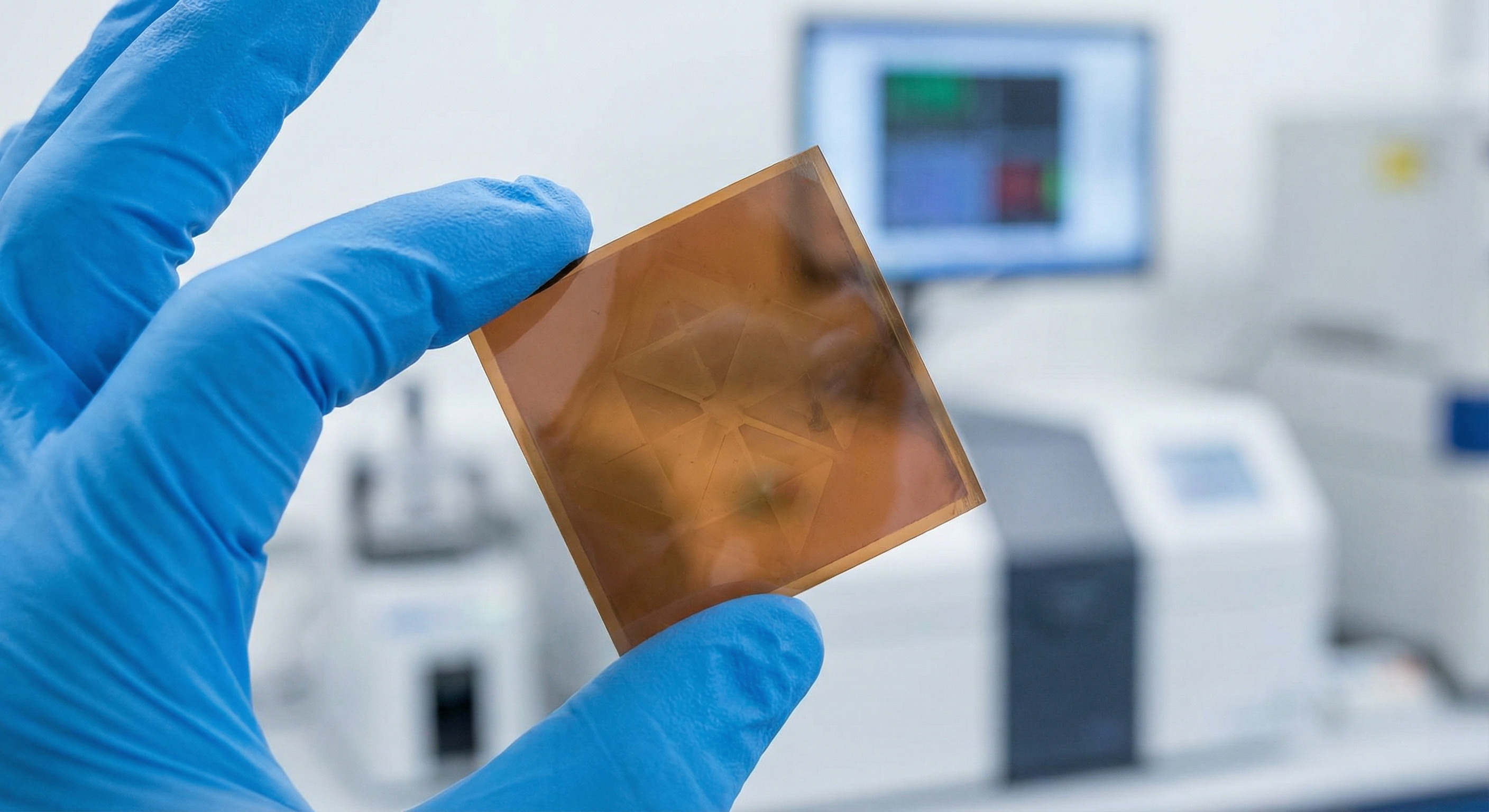
Stability is important, as layers of these materials tend to break down with use. Researchers can use the X-ray fluorescence microscopy (XFM) beamline to identify and locate elements within the material. In order to find new approaches to stabilising perovskite solar cells, investigators are mapping the movement of elements in the materials of interest under light irradiation.
The Soft X-ray spectroscopy (SXR) beamline is important in the study of advanced polymers, such as organic solar materials. Researchers use this technique to uncover new electronic and chemical details of the arrangement of atoms in conjugated polymers, an important class of these materials. Conjugated polymers are large organic (carbon-based) molecules with an unusual electronic structure, a backbone of alternating single and double bonds that leads to interesting and useful optical and electrical properties. They are used in LEDs and organic solar cells, as well as transistors, sensors and thermoelectric power devices.
An international study of ultra-flexible, organic solar cells using the SXR beamline clarified the chemical composition and structure of the active layer on the top and bottom surface of the thin film device. Importantly, the way the molecules aligned to form the film displayed stacking that favoured charge transport across the active layer.
Stability in patch vaccines
Stability is a problem in many materials. One issue with the roll-out of the Covid-19 mRNA vaccines in rural and remote regions, was the need to keep them cold during transportation and storage to prevent the mRNA from breaking down. Similar mRNA vaccines are being developed to target a range of other diseases, including flu, cancers and autoimmune conditions. All face the same challenge with stability.

Scientists from RMIT University together with international colleagues have used the Australian Synchrotron’s Small Angle Scattering (SAXS) beamline to advance the development of microneedle patches for mRNA vaccine delivery. These patches are more stable, and remove the need for traditional injections.
A technique on the beamline called grazing-incidence wide-angle X-ray scattering (GIWAXS) is widely used for polymer research. Although the name sounds daunting, the principle is pretty straightforward: a beam of X-rays is directed at a thin film, and the resulting pattern of scattering reveals how the polymer chains are packed together. These measurements allow researchers to determine whether molecular chains are highly ordered or disordered; how crystalline regions form; and how molecules are oriented within a material.
In this case, the beamline was used to determine the shapes of the nanoparticles in which the mRNA is trapped, and how these shapes change when dried and rehydrated. The scientists also wanted to know what was happening to the mRNA when it was mixed into the polymers used in the microneedle patches. Information from the GIWAXS experiments suggested the best mixtures to maintain biological activity and effectiveness of the vaccines.
New beamlines complement other spectroscopy instruments
The new Medium X-ray Absorption beamlines – funded under the Project BRIGHT expansion of the Synchrotron and operating since 2022 – offer investigators powerful new capabilities across a wide range of scientific applications, with a particular emphasis on experiments that examine materials operating in place.
These instruments collect high-quality data while minimising the dose of x-rays delivered to the sample. It is expected to open up new avenues of research into the structure and properties of emerging materials.
From everyday plastics to life-saving medical technologies and next-generation renewable energy, the materials of the future all begin with an understanding how they work at the smallest scale.
So the next time you pick up a plastic bottle, switch on your phone or see a solar panel on a rooftop, remember that the biggest innovations often begin with the smallest discoveries. By revealing what happens deep within polymers, the Australian Synchrotron is helping researchers create smarter, more sustainable materials that will shape our lives tomorrow.
Want to hear more about new scienific research in Victoria?
subscribe.rsv.org.au
Other articles of interest







Discover how you can join the society
Join The Royal Society of Victoria. From expert panels to unique events, we're your go-to for scientific engagement. Let's create something amazing.