Using sunlight to breakdown plastics
Science Victoria Edition


Institute for Frontier Materials, Deakin University
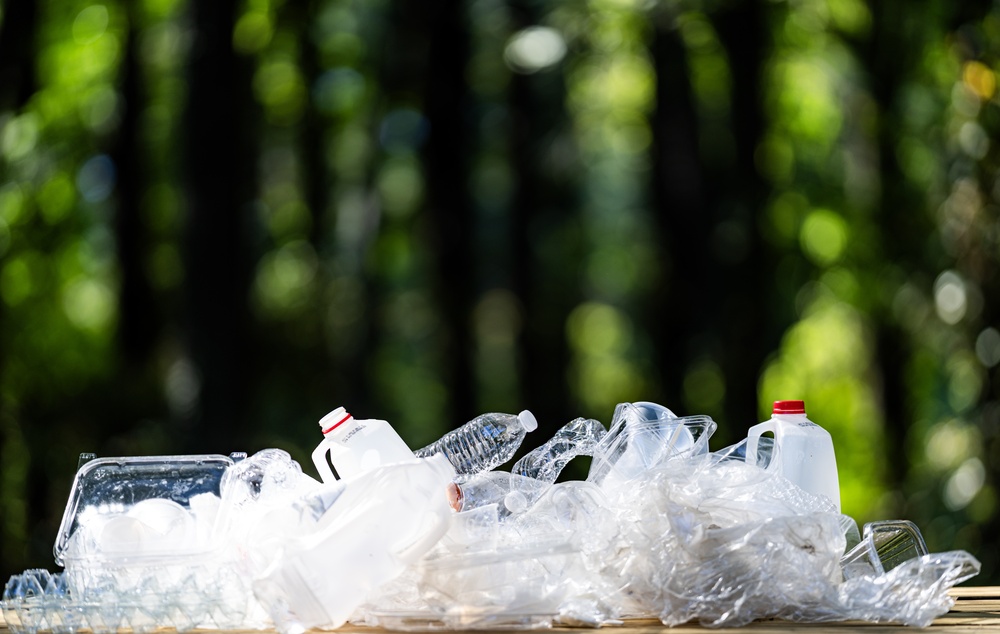
Plastics bring convenience to our daily lives. Lightweight, cheap to produce, highly durable and able to be moulded into diverse shapes – no other materials can match their unique combination of properties. That’s why you find them in so many products – clothes, drinking bottles, toys, packaging, appliances, vehicles, the list goes on.
The Plastic Paradox: Convenience vs. Hazard
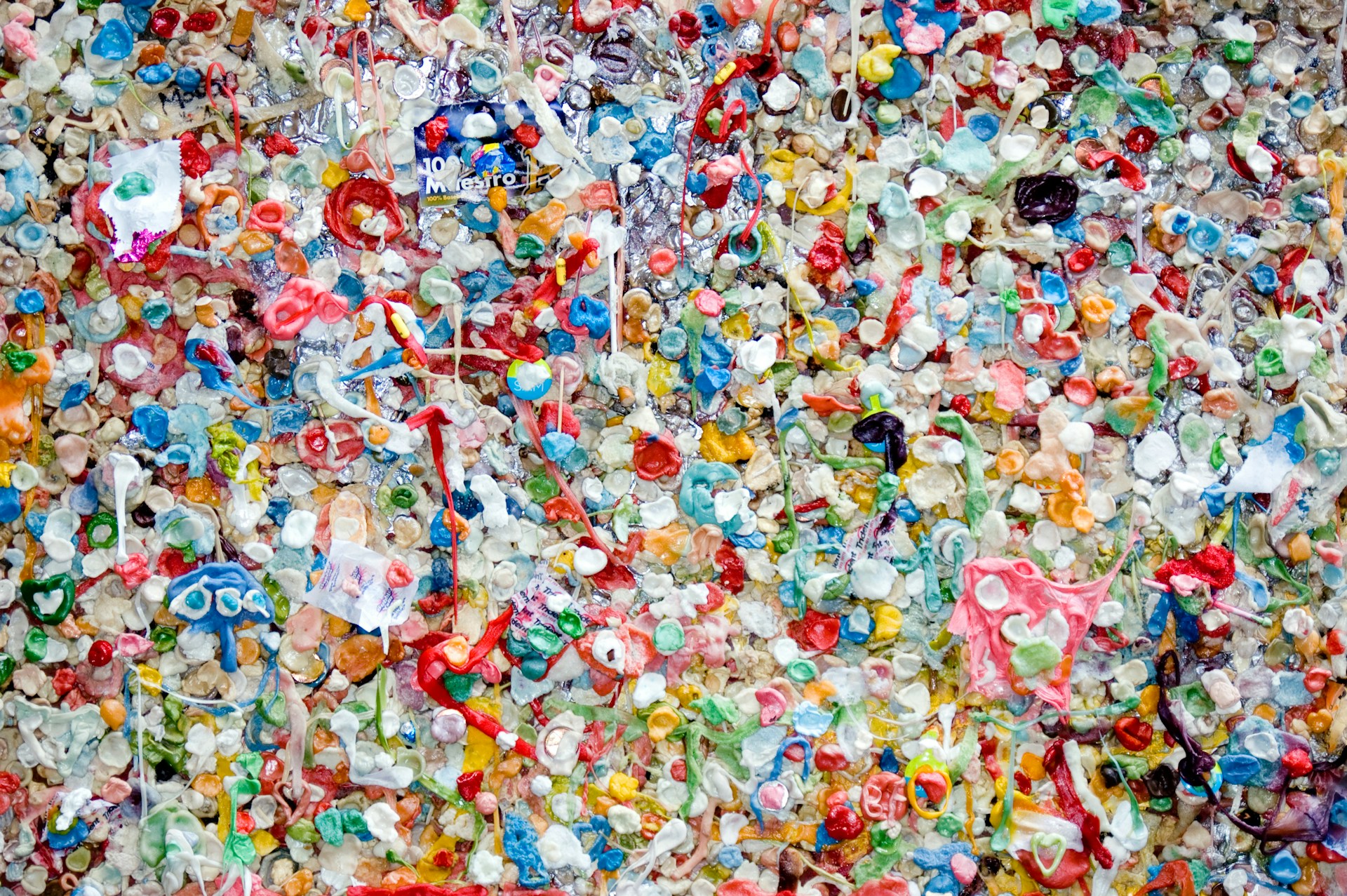
In fact, plastics are so widespread, they are becoming a hazard in our ecosystems and to our health. They tend to break down into tiny particles thousandths of a millimeter in diameter known as microplastics, and even to nanoplastics, which are a thousand times smaller. These plastic particles can easily enter your body in water and foods, and are transported to every part of it, including the brain. And they can stay in the body for years or a lifetime causing health problems. Even an ordinary plastic teabag may release billions of microplastics and nanoplastics into your cup?
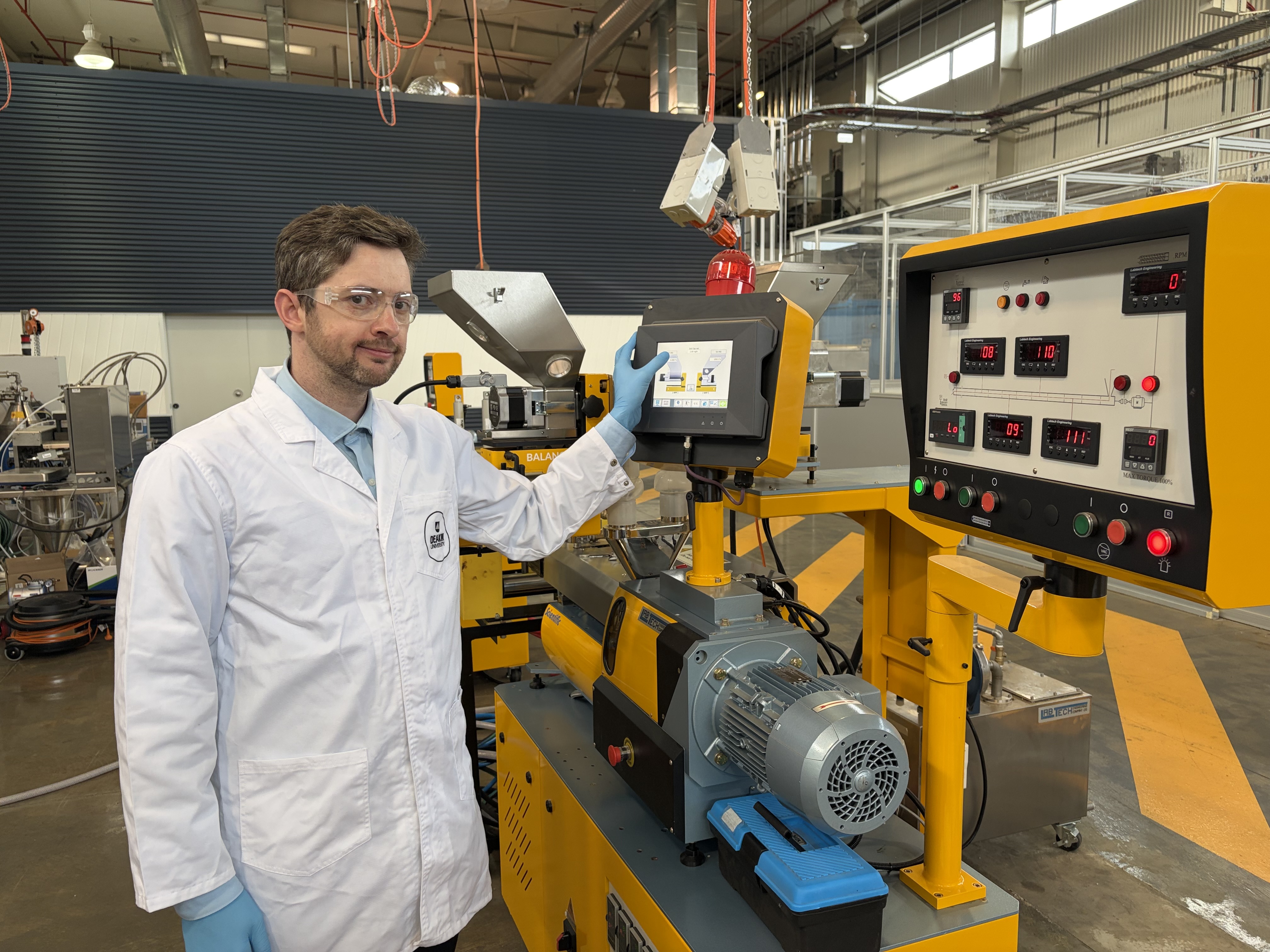
So how do we retain the convenience of plastics while ridding ourselves of the biological hazards. That’s a conundrum many materials researchers all over the world are working to solve, including my team at the Institute for Frontier Materials at Deakin University
Cracking the Code: A Solar-Powered Solution
Plastics are actually large molecules called polymers, formed of chains of smaller molecules, monomers, that come from fossil fuels. Polymers comprise hundreds or thousands of these monomer building blocks linked in sequence with chemical bonds that need a significant input of energy to rupture.
That makes plastics particularly hard to break down. In many cases, they need specific chemicals and high temperatures to pull them apart, causing additional pollution and consuming a lot of energy.
At the Institute, we are looking for greener, cheaper and more effective ways to do this. Because once the polymers are broken up into their monomer building blocks, we can recycle them to make new plastics, which reduces environmental pollution and the consumption of fossil fuels.
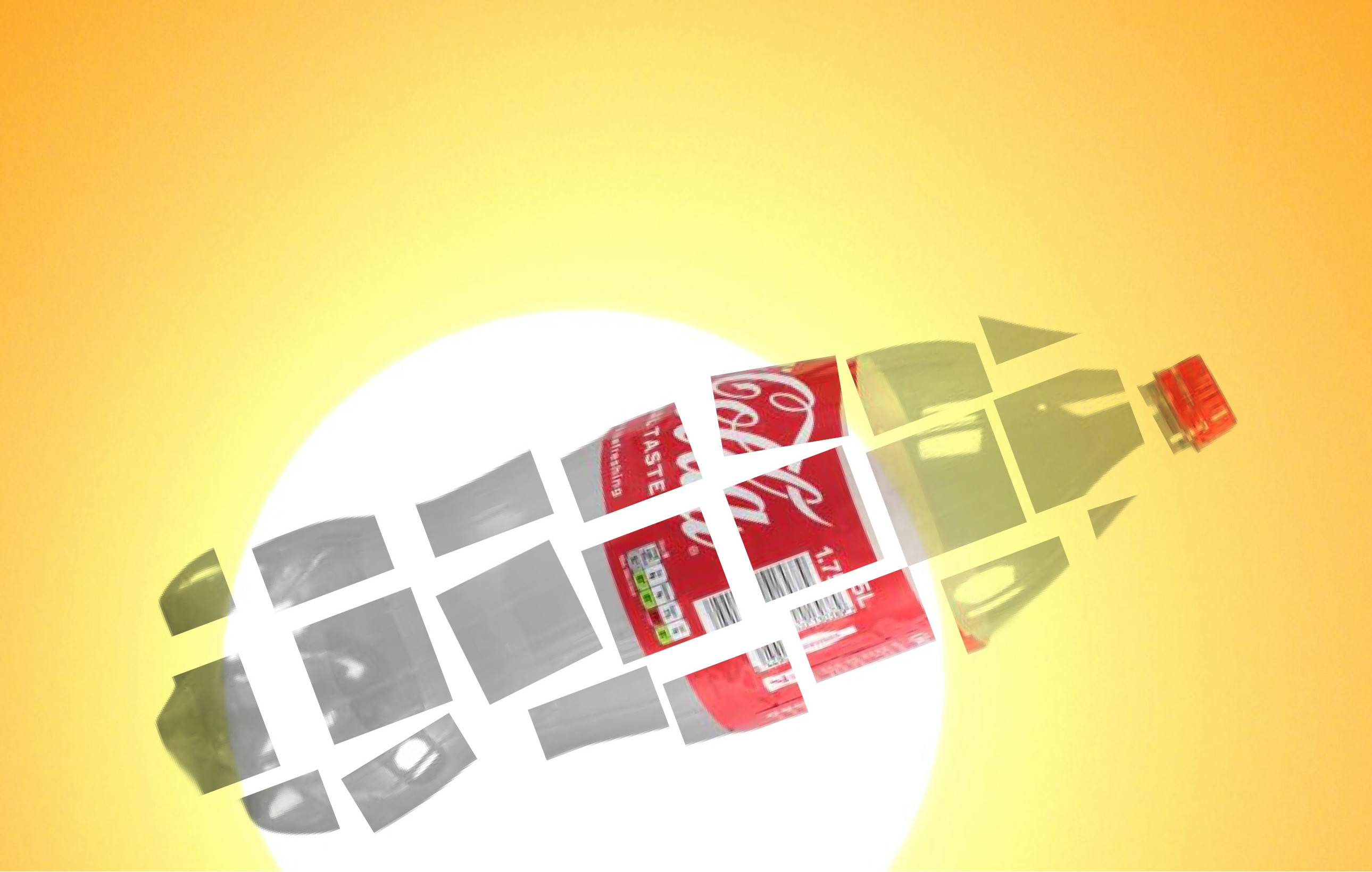
We have already developed a solar-powered process to decompose PET (polyethylene terephthalate), a plastic widely used to make water and soft drink bottles and as fibres in textiles.
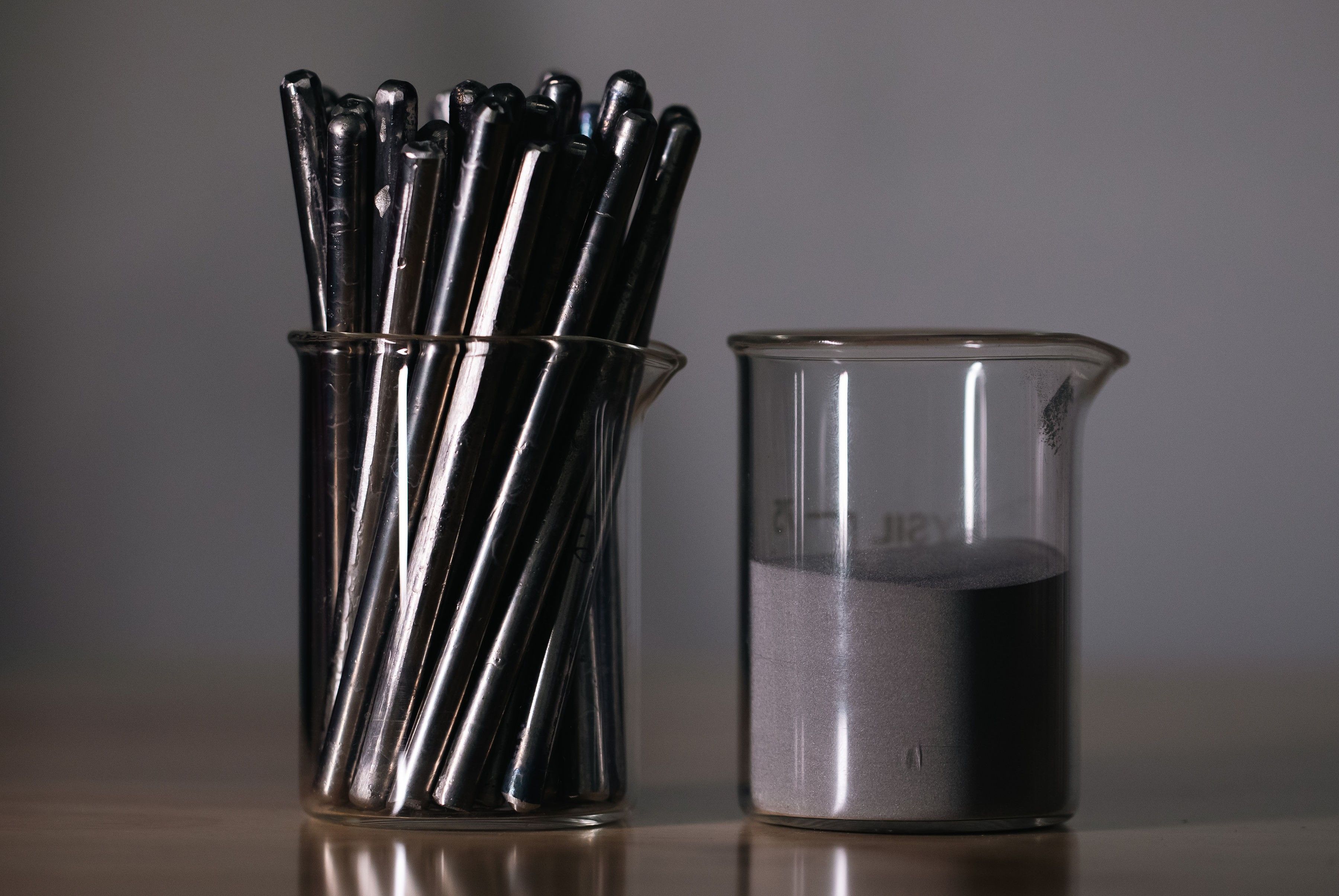
Small pieces of PET are put into the solvent ethylene glycol, the main component of the coolants for car engines. We then add black particles of activated carbon. These absorb sunlight strongly, heating the mixture to 180 oC. Without the particles, we would have to use electrical heating to raise the solvent to such a high temperature, and that would consume a lot of energy. Besides absorbing sunlight, the particles carry promoters or catalysts that help the solvent to attack and break down the PET into its component monomers.
We are not the first research group in the world or even Australia to work on plastic recycling using this photothermal approach. But our contribution has been to develop a more efficient catalyst. This catalyst comes in the form of single atoms which can be loaded onto the activated carbon particles. The catalysts used by others are typically 1000 times larger. The advantage of our single atoms is their higher activity and large surface contact area with the plastics and the solvent.
The Path Forward: Recycling Beyond the Basics
The whole process is complete in a few hours. By comparison, in the natural environment bacteria which contain protein catalysts or enzymes take decades or even centuries to break down some plastics, due to their high stability.
Other plastic products can be recycled without breaking them apart. Some kinds of plastic bottles, for example, can be melted and reshaped into different products such as the fibres typically mixed with natural materials such as cotton and wool to form textiles used to make clothes. In many cases, however, this simple recycling is not feasible.
Most plastics can be broken down in some way, but different types of catalysts and solvents are needed for each type. For some hard-to-break plastics, such as polyolefins, liquid solvents are replaced by gases such as hydrogen. This process is called hydrogenolysis. The products from this can be either the monomers or some types of liquid fuels such as gasoline.
At the Institute for Frontier Materials of Deakin, there are other groups working on plastic recycling in different ways, such as using physical/mechanical methods.
References
[1] Li, X. et al. (2025), Highly efficient photothermal-catalytic depolymerization of polyester fiber enabled by a phosphotungstate-based palladium single-atom catalyst. Small e05673. https://doi.org/10.1002/smll.202505673
Other articles of interest




Discover how you can join the society
Join The Royal Society of Victoria. From expert panels to unique events, we're your go-to for scientific engagement. Let's create something amazing.