Victoria’s Energy Transition: Panel Discussion with Science Victoria authors
Science Victoria Edition




.jpg)
In just over a decade, Victoria’s energy grid has undergone a quiet revolution—shifting from a modest 5% renewable baseline to over 45% wind, solar, and hydro generation today. But moving an entire state away from centralized fossil fuels isn't just an engineering milestone; it is a wholesale reorganization of society. In a compelling panel hosted by the Royal Society of Victoria, experts came together to debate the core questions defining our power future.
Who wins and who loses in this shift?
How do we ensure regional communities aren't left behind?
And what policy levers will actually get us to net zero without fracturing the economy?
Sam Bert focused on the macroeconomic imperative and global trade realities, arguing that climate inaction poses severe risks to Australian productivity, insurance, and agriculture. He highlighted Australia’s potential $1 trillion export opportunity in green steel, aluminum, and clean fuels, but insisted that progress will stall without a polluter-pays carbon price to phase out aging coal assets.
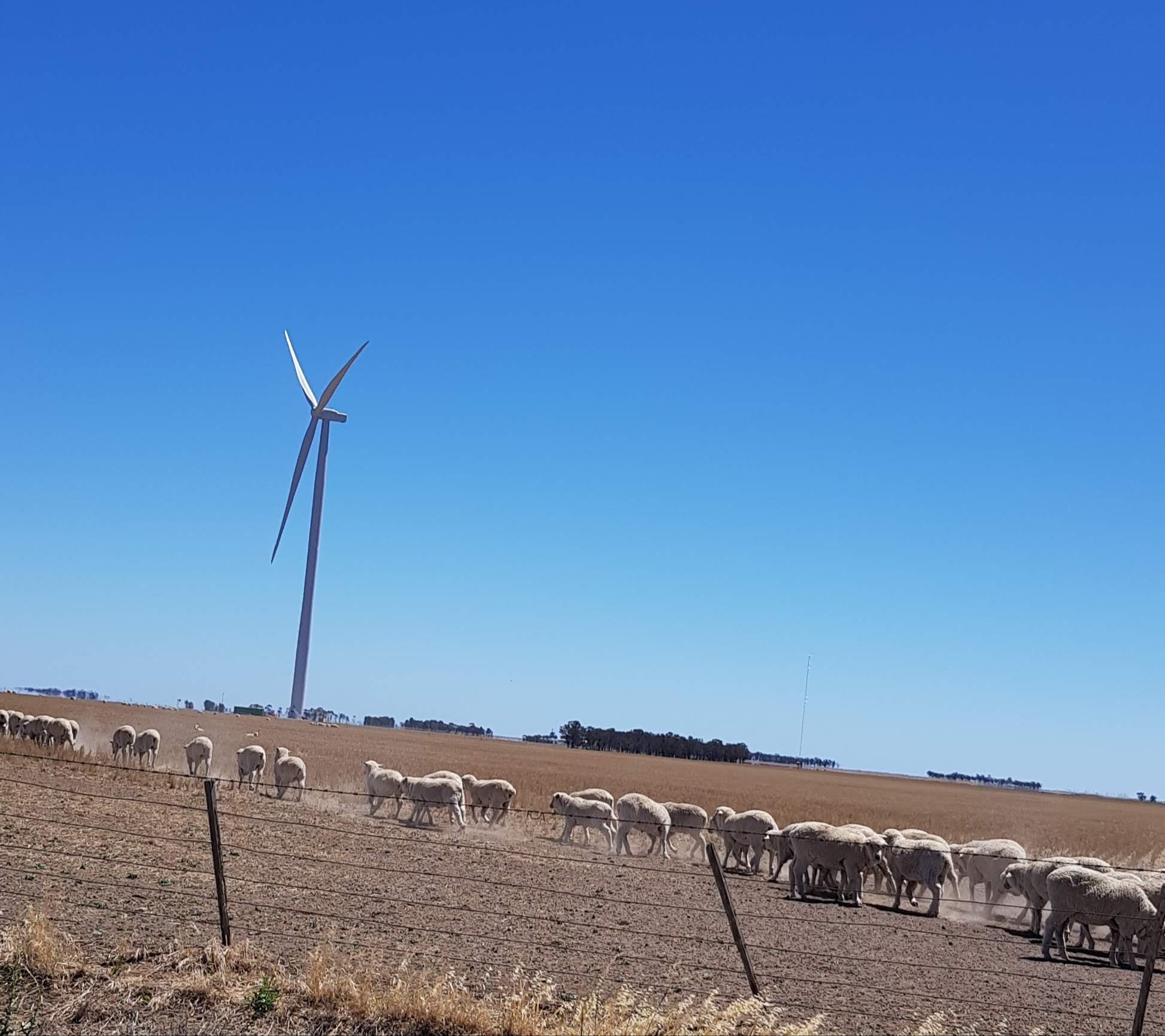
Natalie Collard brought a crucial regional and agricultural perspective, revealing that while 70% of regional Australians support renewables, many feel marginalized by the transition. She emphasized that regional Australia stands to gain over $9–11 billion in economic benefits, but warned that local communities hosting infrastructure must receive fair community benefit schemes and direct access to the clean energy generated on their doorstep.
Miles Carlton shared a youth and engineering viewpoint, detailing how rising generations are demanding both climate accountability and clear career pathways into clean energy. He highlighted the immense opportunity to upskill legacy fossil-fuel workers into renewable roles, while advocating for streamlined regulatory frameworks to rapidly scale innovations like modular battery storage and AI-powered wildlife protection.
Key Takeaways to Keep in Mind
The transition is far more than a swap between wind turbines and coal plants—it is an economic, technological, and social overhaul. First, economic equity is non-negotiable: regional communities hosting generation assets must be co-designers and financial beneficiaries of the grid, not just passive hosts. Second, Australia has the natural resources, skilled labor force, and university research base to become a global green export powerhouse, provided we align market incentives like carbon pricing. Finally, technological innovation—from sodium-ion battery storage and agricultural bioenergy to low-carbon liquid fuels—is moving rapidly, but requires clear regulatory backing to commercialize at scale.
Want to dive deeper into the full debate, including audience Q&A on grid stability, battery technology, and TAFE workforce training?
Watch the complete panel discussion on YouTube
Other articles of interest








Discover how you can join the society
Join The Royal Society of Victoria. From expert panels to unique events, we're your go-to for scientific engagement. Let's create something amazing.